Contact us
401 W. Kennedy Blvd.
Tampa, FL 33606-13490
(813) 253-3333
Patrick O’Brien, assistant professor of history, geography and legal studies, shares a glimpse into what really happened 250 years ago.
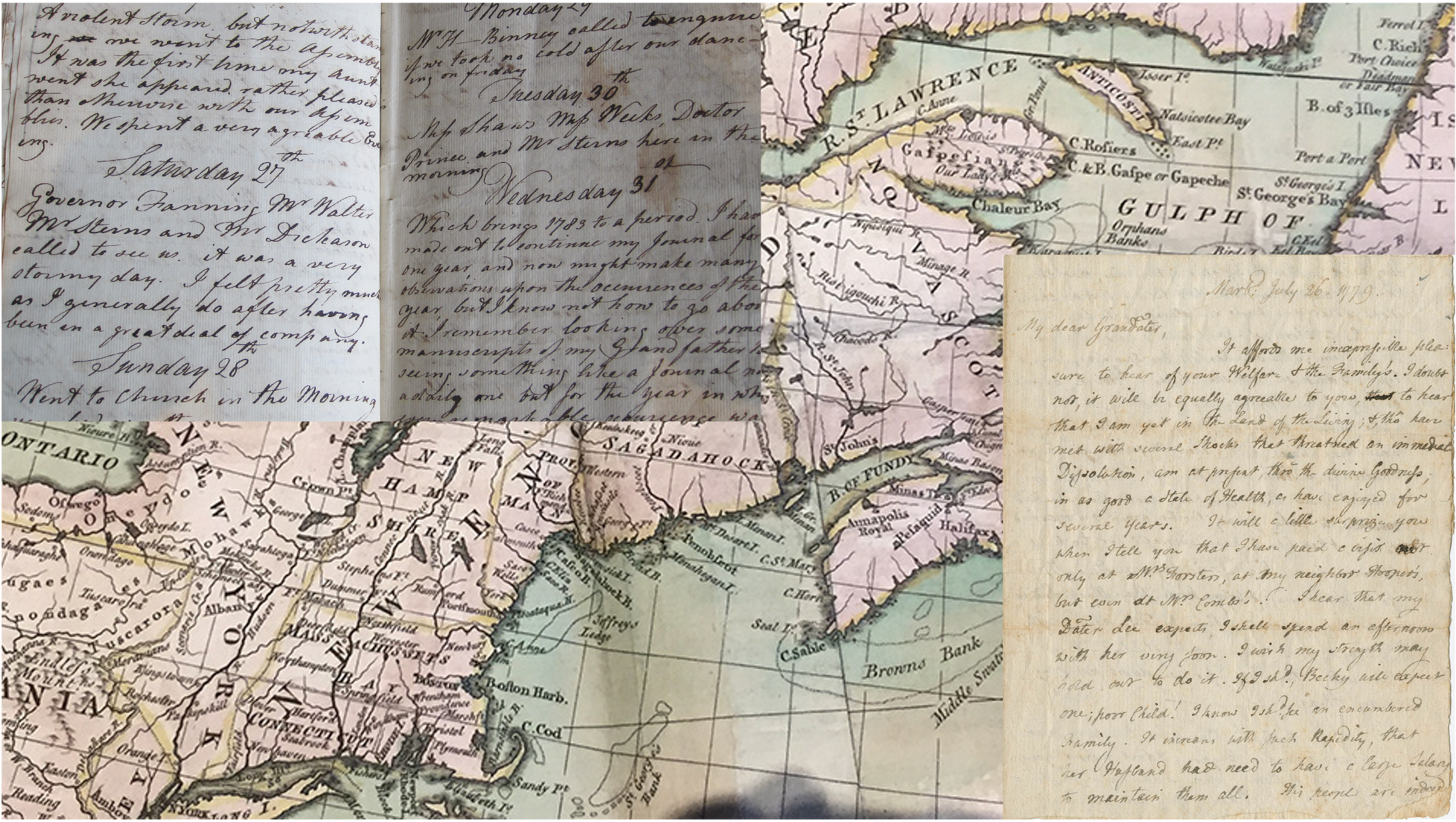
At the Massachusetts Historical Society, Patrick O'Brien viewed letters, diary accounts and maps that belonged to the loyalist Robie family. Photos by O'Brien
Today, July 2, is the day Founding Father John Adams thought future generations of Americans would celebrate forever.
That was the actual date that American independence was declared in 1776, while July 4 was the day the declaration was adopted by Congress. But because the document was dated on the fourth, that’s the date history remembers and the date that is still honored 250 years later.
Patrick O’Brien, assistant professor of history, geography and legal studies, said this is one of many facts about the American Revolution that became gradually misremembered over two-plus centuries of record keeping. He’s an expert on such slights — his research focuses on loyalists, the Americans who sided with the British forces during the Revolutionary War, and whose reputations were inaccurately vilified over time.
“They’re this group that have these stories that get told later. They get really demonized; they become the bad guys,” he said. “When you get below the surface, you find out that these people are very much the same as the people who opposed them.”
During the revolution, it’s estimated that about 20% of colonists were loyal to Britain. But of those 500,000 or so people, O’Brien said only a handful of them openly condemned the American rebels and took up arms against them. He argues that the vast majority were hastily labeled as enemy sympathizers by friends and neighbors suspicious of their activities. Many of them might not have been loyalists at all, or if so, their allegiances were more of a gray area than pure redcoat.
The economy of the American colonies heavily depended on Great Britain for commercial importing and exporting, O’Brien explained. Plus, only two decades before the revolution, the colonists fought alongside the British in the French and Indian War. Especially for the soldiers who had so recently donned British uniforms, it wasn’t easy for a lot of people to support a revolution against their former allies.

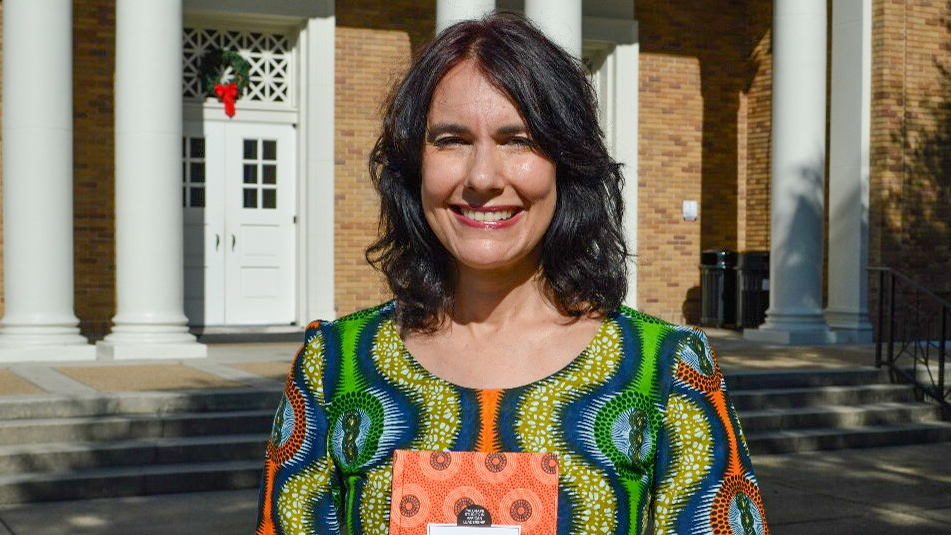
Take the Robie family, for example, the subject of a book O’Brien (pictured left) is writing. The year before the Revolutionary War, the patriarch, Thomas Robie, was elected treasurer of Marblehead, Massachusetts, where the family lived and was highly respected. Less than two weeks after the first battle at Lexington and Concord, the Robies were run out of town, suspected of being loyalists because of Thomas’ business relations with the British.
“In the histories of the loyalists, Thomas Robie is depicted as someone who’s greedy, obsessed with rank, and all these negative characteristics,” said O’Brien. “I’ve read their letters and their diary accounts, and it’s nothing like that.”
The Robies fled to Halifax, Nova Scotia, and theirs became a popular cautionary tale of what can happen to people who defy the status quo. Nineteenth century histories tell a story of patriotic Americans angrily congregating on the docks as the exiled family set sail for Canada, with Thomas’ wife, Mary, supposedly yelling that she hoped the streets would soon be filled with rebel blood.
“I have almost basically proven that she did not say that,” said O’Brien.
The family papers, which O’Brien found at the Massachusetts Historical Society, give a more civilized account. Thomas and Mary Robie’s daughter, also named Mary, kept a diary in her young adulthood, where she described feeling like an outsider and wrote about funerals she attended for other refugees whom she never met but felt emotionally connected to.
While the Robie family is exceptional for having lasting records of their daily life throughout the revolution and afterward, O’Brien said that they are representative of most of the people who were labeled as loyalists.
“What’s great about people celebrating 250 is thinking about the stories that make up the nation and appreciating the variety of experiences,” he said. “What better thing to do on 250 than to get the story straight?"
More UTampa News


© 2024 The University of Tampa. All Rights Reserved.
Subscribe to News and UTampa Life

Contact us
401 W. Kennedy Blvd.
Tampa, FL 33606-13490
(813) 253-3333
© 2024 The University of Tampa. All Rights Reserved.
Subscribe to News and UTampa Life