Explore Art Therapy at UTampa
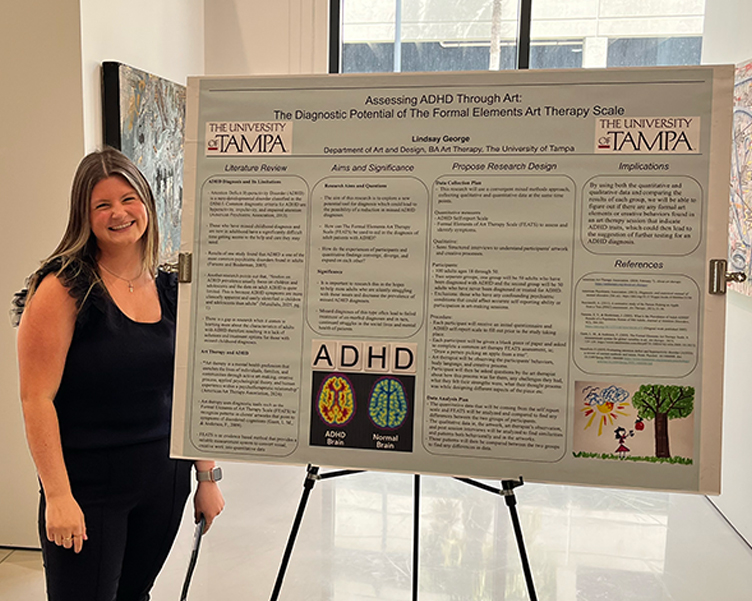
The University of Tampa’s B.A. in Art Therapy provides a dynamic and supportive environment for students who are passionate about creativity, human connection, and making a meaningful impact through the arts. Therapeutic art minor offers majors of other programs an opportunity to learn the use of artistic process for supporting self and others.
Social Media
Art Therapy:

Healing Arts Club:
Bachelor of Arts in Art Therapy
The Bachelor of Arts in Art Therapy at the University of Tampa offers an immersive, interdisciplinary education that prepares students for meaningful careers at the intersection of art, psychology and human services. Rooted in both studio practice and behavioral science, the program introduces students to the transformative role of artmaking in supporting emotional expression, resilience and well-being across diverse populations.
The program is designed to build a strong foundation for graduate study in art therapy while also equipping students with versatile skills applicable to a range of wellness, educational and community-based settings. Through a combination of coursework, experiential learning and reflective practice, students develop both technical and interpersonal competencies essential for working with others in ethically grounded and culturally responsive ways.
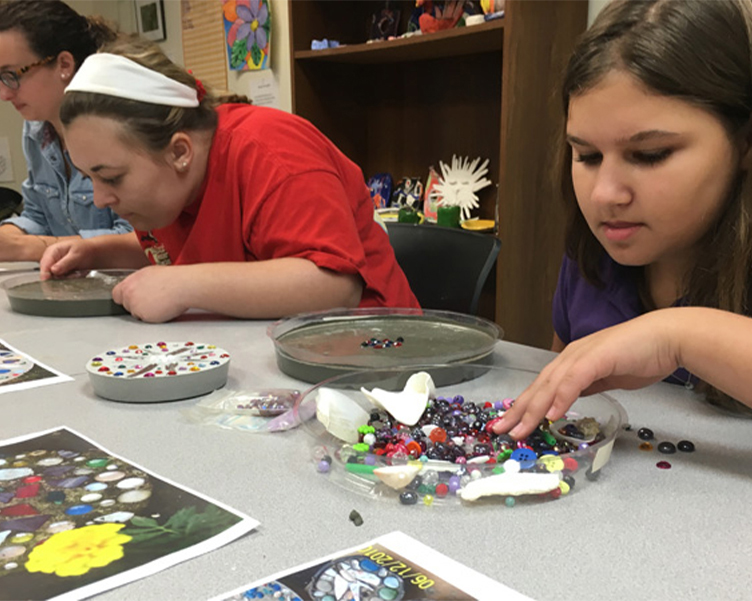
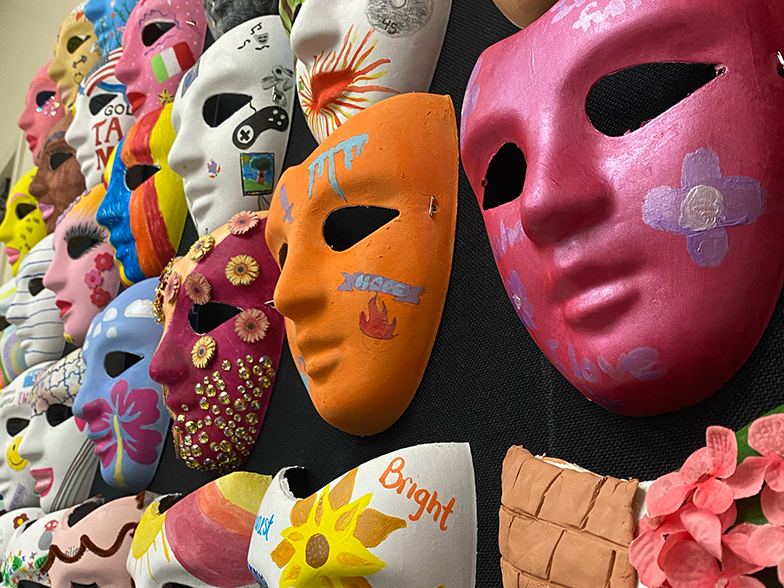
Students in the program engage deeply with the creative process as a tool for communication, self-exploration and connection. They study psychological development across the lifespan, explore theories and practices of art therapy, and learn how to observe, interpret and discuss artwork with sensitivity and care. Emphasis is placed on understanding how art can support individuals who may struggle to express themselves verbally, and how creative processes can be structured to foster insight, coping and growth.
Professional Preparation
Graduates of the program leave with a strong portfolio, relevant field experience and a comprehensive understanding of the foundations of art therapy. Many continue into accredited master’s programs in art therapy and related fields, while others pursue careers in education, community arts, behavioral health support and allied professions. The University of Tampa BA in Art Therapy program graduates are consistently admitted to highly respected MA/MS art therapy graduate programs and continue on to become licensed and credentialed art therapists including George Washington University, Antioch University, Southwestern College, Lesley University, Loyola Marymount University, The College of New Rochalle, Marywood University, Caldwell University, The School of Visual Arts, St Mary of the Woods, and Florida State University. Alumni who choose not to pursue a master's degree in art therapy have also built meaningful careers in adjacent fields. Many continue working as visual art educators across private and public-school systems, while others serve in educational and therapeutic environments supporting children and adults with developmental, intellectual, and learning disabilities.
Two Degree Paths. One Creative Vision.
- B.A. in Art Therapy
- Therapeutic Art Minor
Bachelor of Arts
B.A. in Art Therapy
The B.A. in Art Therapy curriculum integrates studio art, psychology and therapeutic application of art, encouraging students to think critically, communicate effectively and approach their work with empathy and self-awareness. A central component of the program is hands-on field experience. Students complete internships in a variety of community and professional settings, working under the supervision of experienced practitioners. Placement opportunities may include schools, hospitals, community organizations, museums, programs supporting individuals with developmental or intellectual disabilities, and settings focused on mental health or substance use recovery. These experiences allow students to apply classroom learning in real-world contexts, build confidence in facilitating art-based experiences, and develop practical skills in communication, collaboration and leadership.
Perfect for you if:
You’re passionate about using art to support emotional growth and want immersive, applied studio and therapeutic experience.
Minor
Therapeutic Art Minor
The Therapeutic Art Minor provides a broad perspective on the healing aspects of art, focusing on creative approaches that support well-being for children and adults in a variety of settings.
You’ll explore how art can be applied in wellness professions, education and community programs, gaining foundational knowledge and skills in therapeutic art practices that complement other majors or career paths.
Perfect for you if:
You’re interested in art and wellness and want to develop practical skills in creative health alongside another major or field of study.
Sample Courses From Art Therapy Curriculum
What You Might Study
ART 330
Art Therapy with Children and Adolescents
Explores the development and psychology of art as indicators of a child’s experience. Students will learn to apply their foundational art therapy knowledge to work with a variety of child and adolescent populations.
ART 331
Art Therapy with Adults
Overview of art therapy as it applies to the complications of adult life experiences. Explores the intrinsic therapeutic value of adult art expressions and their ability to serve as a form of verbal communication.
ART 333
Applications for Health and Wellness Professions
A studio/performance-oriented course that explores the therapeutic properties of art media and techniques through direct engagement. Students will learn how to convey the richness of their own experience through art in order to more effectively and empathically elicit therapeutic art from clients.